
8mm float glass
Understanding M3 Thread Gauge A Comprehensive Guide Thread gauges are essential tools in engineering and manufacturing, providing a means to measure and verify the dimensions of threads on various components. Among these gauges, the M3 thread gauge is significant, particularly in precision machining and testing applications. This article explores what an M3 thread gauge is, its importance, uses, and how it differs from other types of thread gauges. What is an M3 Thread Gauge? The M3 thread gauge specifically gauges metric threads with a nominal diameter of 3 millimeters. The M designation indicates that it is a metric thread, which is commonly used in various industries, including automotive, aerospace, and electronics due to the global adoption of metric measurements. The 20 signifies the pitch of the thread, which refers to the distance between the crests of two adjacent threads, measured in millimeters. In this case, a 20-pitch designation is actually incorrect for an M3 thread, as the typical pitch for M3 is 0.5 mm. Thus, when using the M3 thread gauge, we are generally focused on a gauge that measures 3 mm diameter with a standard 0.5 mm pitch. Importance of Thread Gauges Accurate threading is crucial for the proper functioning of mechanical assemblies. Threads are used to join two or more components together securely. If the threads are not correctly formed or do not meet specified tolerances, it can lead to assembly issues, loss of structural integrity, and even catastrophic failures in critical applications. The M3 thread gauge serves to ensure that the threads meet specific criteria for diameter, pitch, depth, and shape. Using a thread gauge enhances quality control by enabling manufacturers to verify that parts conform to design specifications before they are assembled or shipped. Applications of M3 Thread Gauge The M3 thread gauge is particularly relevant in various industries that demand high precision. In the automotive sector, it is used for components such as bolts and nuts that require fine threading for secure connections. Similarly, the electronics industry relies on M3 threads in devices where small sizes and precise fittings are critical, like circuit boards and enclosures. Additionally, the aerospace industry values such fine precision as even minute errors in thread specifications could lead to jeopardous outcomes given the nature of high-stakes applications. In quality assurance laboratories, M3 thread gauges are invaluable tools. Quality control technicians use these gauges to measure and verify the thread characteristics of components during production runs to maintain consistency and adherence to industry standards. m3 thread gauge How to Use the M3 Thread Gauge Using the M3 thread gauge is a straightforward process, but it requires meticulousness and attention to detail. Here are the steps typically involved 1. Preparation Ensure the component being measured is clean and free from debris, as dirt can affect the accuracy of the measurement. 2. Selection of Gauge Choose the appropriate M3 thread gauge which matches the specifications of the thread you are measuring. It typically comes as a set with different profiles for various pitches. 3. Insertion Gently insert the gauge into the threaded hole of the component. It should fit snugly but without excessive force. 4. Examination Look for any discrepancies between the gauge and the component. If it fits, the threading is likely correct; if not, there may be an issue with the thread quality. 5. Documentation Record the results of the use of the gauge for quality control records or production tracking. Conclusion In conclusion, the M3 thread gauge is an indispensable tool in the arsenal of anyone involved in precision engineering and manufacturing. It not only ensures the integrity of threaded components but also plays a pivotal role in maintaining quality standards across various industries. By understanding and properly using this tool, manufacturers can avoid costly mistakes and ensure product reliability. Whether in automotive, aerospace, or electronics, the significance of thread gauges, particularly the M3, cannot be overstated. Their precise and methodical application fosters innovation and quality in engineering design and manufacturing processes.
about
8mm float glass
Understanding Heavy Duty Knife Gate Valves Heavy duty knife gate valves play a pivotal role in many industrial applications, particularly in handling bulk materials and liquids. These valves are designed for robustness and efficiency, making them essential for a variety of sectors such as mining, wastewater treatment, pulp and paper production, and more. This article aims to explore the features, applications, and advantages of heavy duty knife gate valves. What is a Knife Gate Valve? A knife gate valve is a type of valve that utilizes a sharp-edged blade, or knife, to cut through the bulk materials in a pipeline. The design allows the valve to function efficiently in applications where other types of valves may struggle, particularly in handling slurries and materials that may contain solid particles. The knife gate valve is usually installed in a horizontal position, allowing gravity to assist in the closing action, which helps ensure a tight seal. Key Features 1. Robust Construction Heavy duty knife gate valves are built to withstand harsh conditions. They are often made from materials like stainless steel, ductile iron, or carbon steel, which provides enhanced durability and resistance to wear and corrosion. 2. Blades and Seats The blade of the valve is sharp and flat, allowing it to slice through materials easily. The seat material, often made of rubber or other resilient composites, ensures a tight seal when the valve is closed, preventing leakage. 3. Size and Configuration Heavy duty knife gate valves are available in a range of sizes and configurations, accommodating various pipeline diameters and installation requirements. They can also be designed for both manual and automated operations. 4. Versatility These valves can be used in both on-off and throttling applications, making them suitable for diverse operational needs. Applications Heavy duty knife gate valves find applications across numerous industries heavy duty knife gate valve - Mining They are crucial in controlling the flow of slurry, minerals, and tailings in mining operations, where handling abrasive materials is common. - Wastewater Treatment In wastewater treatment plants, these valves are used to regulate the flow of sludge and other waste materials. - Pulp and Paper In the pulp and paper industry, knife gate valves manage the flow of wood chips, pulping chemicals, and other materials during the manufacturing process. - Food and Beverage These valves can also be found in the food and beverage sector, where they handle thick suspensions and pastes. Advantages 1. Effective Shut-off One of the primary benefits of heavy duty knife gate valves is their ability to provide a reliable shut-off for bulk materials, ensuring operational safety and efficiency. 2. Low Maintenance Their robust construction and simple design make them relatively easy to maintain compared to more complex valve types. 3. Cost-Effectiveness Given their durability and low maintenance needs, heavy duty knife gate valves can be a cost-effective choice for industries that require frequent operation with challenging materials. 4. Reduced Leakage The design of the knife gate valve minimizes the risk of leakage, which is particularly important in applications where material loss could lead to significant costs or environmental impact. Conclusion Heavy duty knife gate valves are an integral component of many industrial processes. Their robust construction, efficient operation, and versatility make them suitable for handling challenging materials across various sectors. As industries continue to evolve and demand more reliable performance, the role of knife gate valves will undoubtedly remain significant. Understanding their features and applications can help businesses choose the right valve solutions to enhance their operational efficiency and ensure long-term reliability.
-

High quality industrial productsagement

High quality industrial products
View Details -

Meet the diverse needs of customers

Meet the diverse needs of customers
View Details -

Strict quality control

Strict quality control
View Details -

Top raw materials

Top raw materials
View Details -

Trusted supplier

Trusted supplier
View Details
Our application

news and information
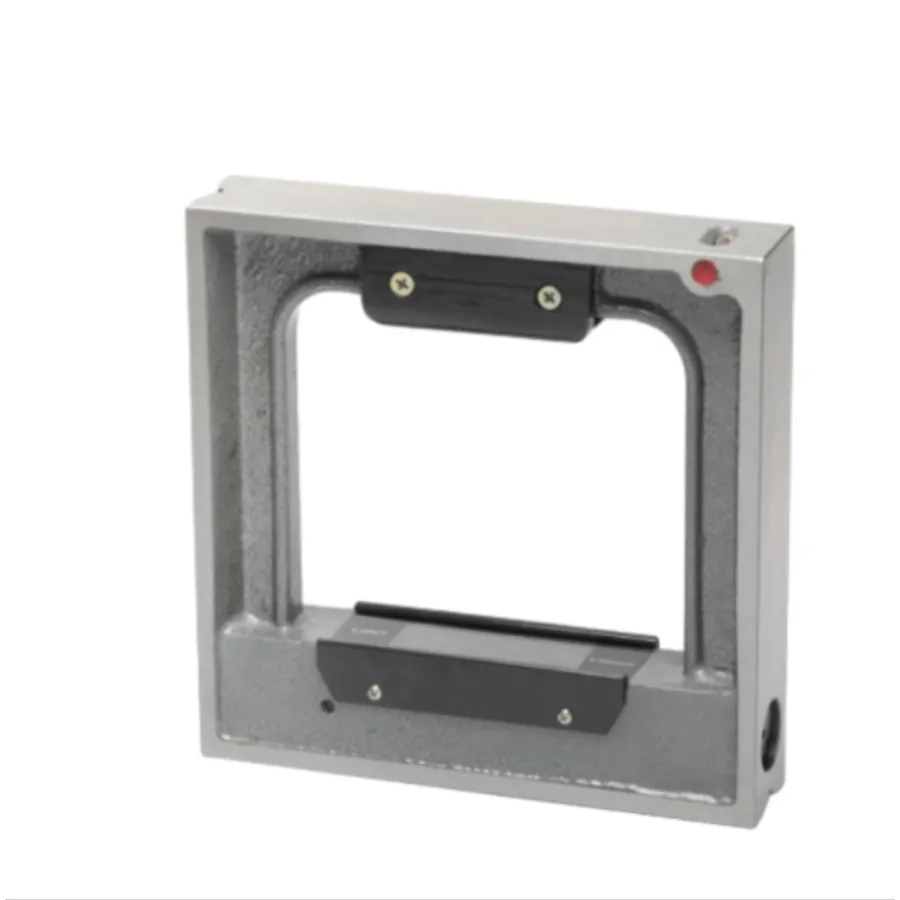
Verificación de roscas con calibres Go y No Go en mediciones de calidad
Uso de calibres de rosca tipo Go y No-Go en la industria En la fabricación y mantenimiento de compon
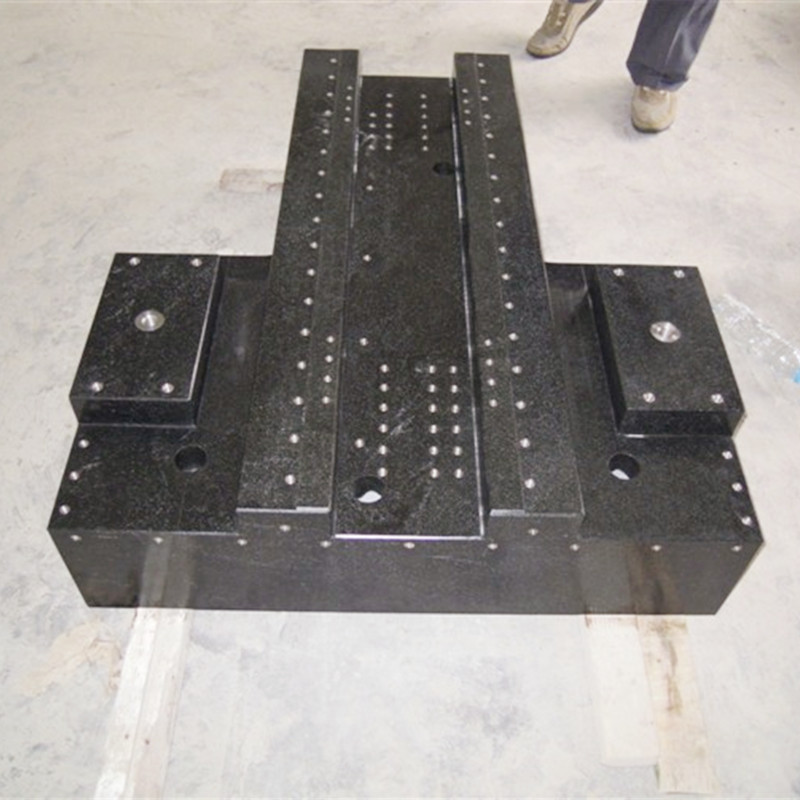
water shut-off valve
Understanding Water Shut-Off Valves Importance, Types, and Installation Water shut-off valves are es
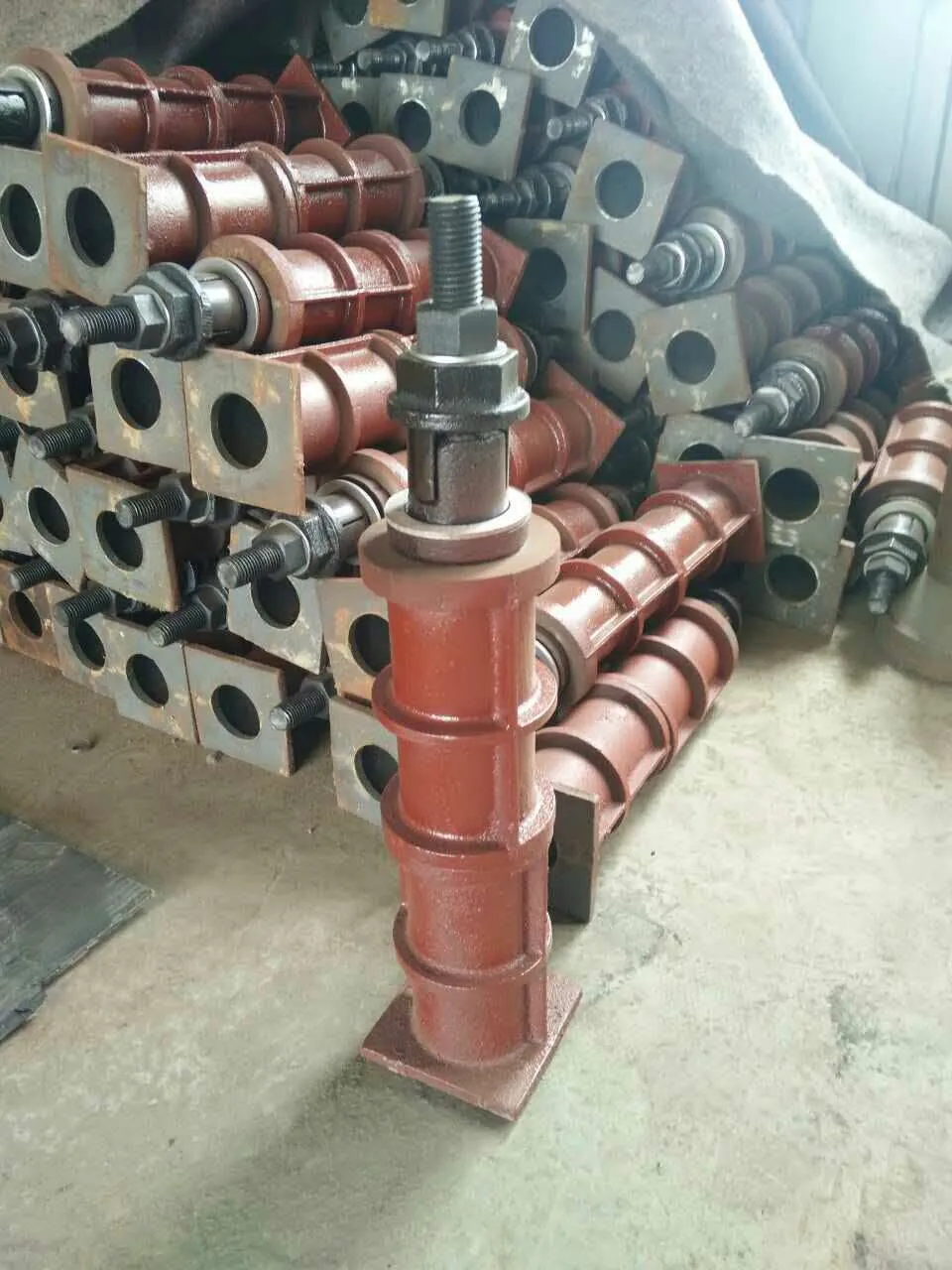
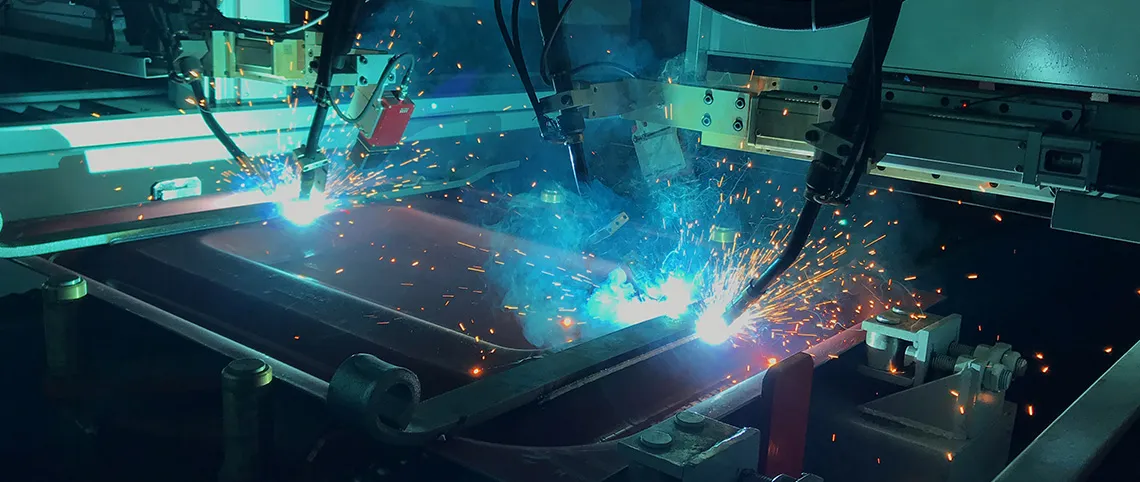
Welding and Fabrication Techniques for Efficient Metal Assembly and Construction
Understanding the Welding Fabrication Table A Comprehensive Overview Welding fabrication tables play
 English